Over the last few years, trafficking in humans is rapidly becoming a modern form of slavery. Many young girls and women have fallen victims of sexual exploitation, in most cases, by known persons or strangers who promise them jobs and safe haven abroad. Evidence shows that the most alarming cases involve women from sub-Saharan Africa, who, because of abject poverty, vulnerability, displacement by war, trauma, etc, are easily lured away from their homes or immediate environment with promises of better lives in countries of destinations. This situation entails a thrilling aspect of women mostly in West Africa, particularly in places like Benin City in Edo state of Nigeria, and the troubled Niger Delta region in Nigeriawhere young girls are driven by their handlers or traffickers to take oaths as a guarantee that they will remain faithful to their traffickers. This implies that these young girls do not even think of coming out of this dirty business without paying back fixed values of about €50,000 (circa fifty thousand Euros). And also because these amounts are expensive, they are then obliged to stay on and work to repay which may sometimes take even longer periods of time.
This kind of oath is not the ordinary swearing of oath to pay back, but rather involves gruesome inhuman acts like chopping off some sensitive parts of the girls’ bodies for example pubic hair, blood, nails, and other small things are taken and rituals are performed on them to seal the deals they have with traffickers. They are then forced to give signatures in this case thump printing using their own blood bleeding from their own bodies. Upon resistance, these girls are threatened so that they comply.
These rituals are supposed to be binding so that the girls or women do not have an escape from paying what they owe to their traffickers. These types of acts are terribly primitive, barbaric and by all means negate the respect for humanity and individuals’ human rights.
In other instances, at their countries of destinations and in brothels where they are taken to work, they are stripped off their identities as their passports are taken and they are forced into seclusion where they do not interact or have any communication with the citizens of the hosting countries.
Though prostitution is legal in places like the Netherlands, it therefore means that their rights are protected as well and also the labour market is regulated. But the girls taken to brothels work and live under appalling conditions. Their survival is at the mercy of the traffickers who also by the way threaten them of being deported in case they go telling people about themselves and their problems. They work hard and excessively in order to repay the expenses and ‘favors’ that they are assumed to have got for having had an opportunity’ to be brought abroad.
In case they are tired and they don’t feel like engaging in commercial sex, fall sick or meet a boyfriend or some one who wants to take them into stable relationship, they are beaten and always reminded of the oath they took.
It is believed that the rituals performed as they entered agreements into these arrangements could also lead to death, madness or disease if they fail to comply or work out of the agreements. Some of the girls have even developed permanent marks on their faces and other visible parts of their bodies because of persistent physical abuse and regular beatings. To take precaution that the girls or women do not interact with the public, their agents in this case the traffickers walk around with them everywhere they go i.e., they are not to be seen in public unaccompanied.
Some facts about trafficking of women
- Worldwide, at least 700,000 to 2,000,000 human beings are trafficked across international boarders each year.
- Of those, it is believed that more than 80 percent are women and girls, and that 70 percent of them were forced into sexual servitude.
- According to the United Nations, trafficking of human beings is now the third largest source of money for organized crime, after arms and drugs.
- In 2003, nearly 8,000 traffickers were prosecuted worldwide, 2,800 were convicted.
- Many victims are as young as 12 years old. They are beaten and killed. Others die spiritual and emotional deaths, convinced after years of abuse that their lives have no worth.
Special project “Woman Thou at Loosed!”
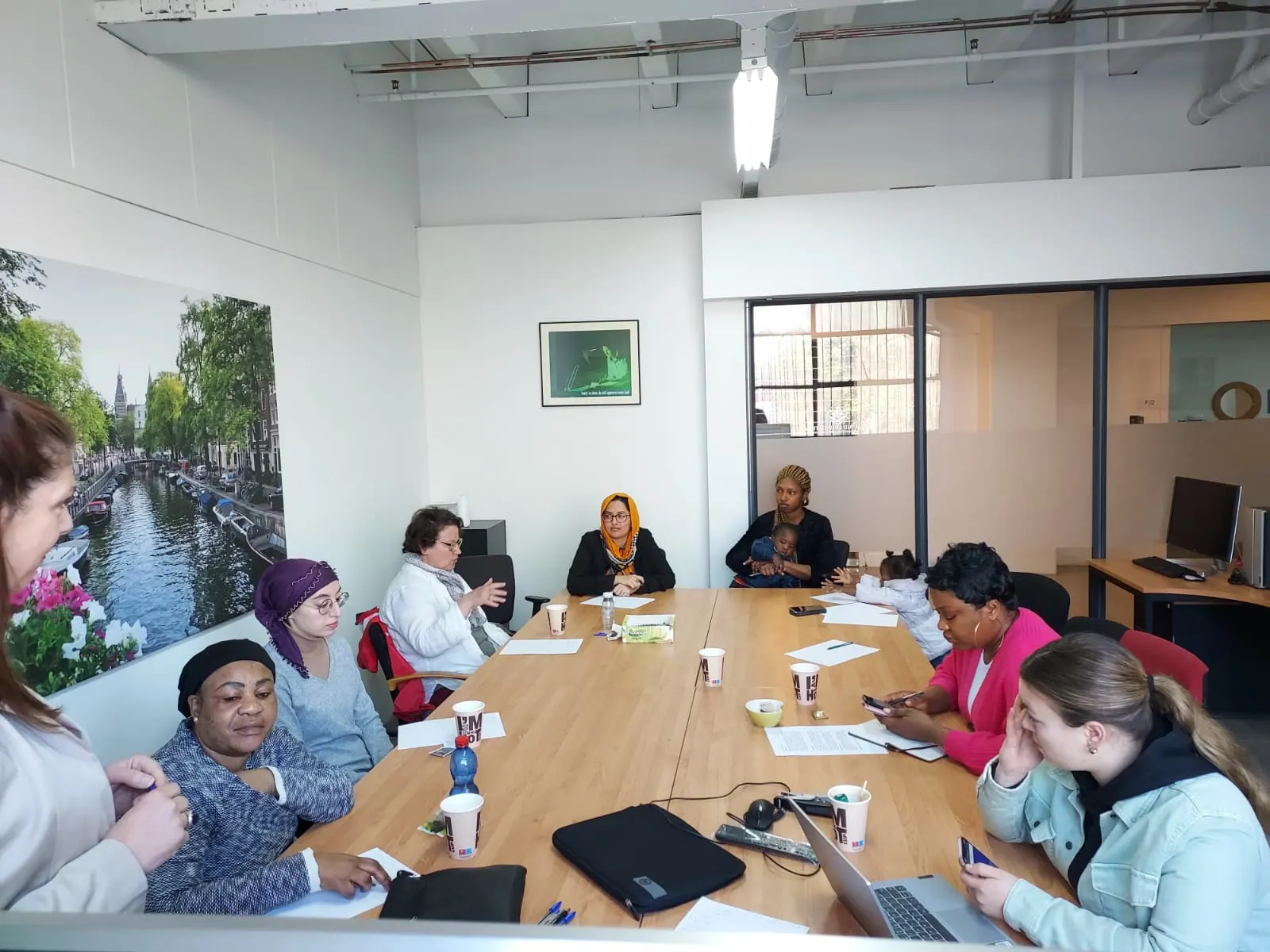
Vital Aid Foundation comes in to play an informative and advocacy role with a timely project named “woman thou art loosed”. It’s conceived to support persons (mainly women) affected by domestic violence and trafficking in human beings in the Netherlands. The Ministry of education, culture and science, Cordaid, Skanfonds and the Municipality of Den Haag are jointly sponsoring this project for the year 2007-2009. The central objective of the program is to offer a helpline and meeting centre for women who are victims of domestic violence and trafficking.

The following are current activities done under this program:
- Helpline
- Identification and mobilisation of victims (this is done cautiously with confidentiality and sometimes anonymity is sought).
- Information centre; advocating, informing and advice to victims and relevant bodies. Vital Aid is building up information on victims of sexual exploitation and domestic violence within the African community so that stakeholders can be able to access with ease. Beneficiaries of this program are also given opportunities to know about one another and share experiences. They can also use the office space to have their meetings or any activities that are in line with this project and also their personal development.
- Advice on how and where to seek help including legal redress
- Training of trainers, regular informal forums, and conferences for public awareness.
- Networking with local, regional and international networks to reduce the impact of the problem and to help victims overcome their experiences because some are actually much traumatized.
Also, for restarting a respectable life, victims are offered
- Relevant advice and support for those willing to go back to their base or country of origin.
- Training in basic computer and income generating skills, and course in Dutch language to help in further communication as part of rehabilitation.
Important intervention from the Dutch government policy
- Victims are entitled to a three-month reflection period in which to decide whether or not to press charges.
- During these three months, the victim is entitled to certain benefits as pertains to health insurance, legal support, and accommodation in a safe house. Vital Aid Foundation will help to acquire the right information and ensure that one is put into contact with the rights organisations and government departments.
- On deciding to press charges, the victim is also entitled to a temporary residence period of up to one year in which work or study can be followed as the criminal proceedings takes place. This is only granted to those victims who have launched formal complaints and those who are willing to press charges against their traffickers (i.e. the B9-status).
- At the end of B9 status period, the victim is expected to return to country of origin. Vital Aid and other organisations in the network will help in making these arrangements in preparation for the returnees.
- There is a provision for a three months reflection time for the victim to decide if to press charges or not. If the victim decides not to press charges, then the law requires that the victim leave the country at once. This is where Vital Aid Foundation comes in to help in making arrangements for the preparation and going back to country of origin.
- A reintegration program will be offered to victims to enhance their skills and capacity for a sustainable life in country of origin.
- In 1979, the United Nations General Assembly adopted the Convention on the Elimination of All Forms of Discrimination Against Women, which is often described as an international bill of rights for women. The Convention defines what constitutes discrimination against women and frames an agenda for action to end such discrimination.
- In 1993, the UN General Assembly approved the Declaration on the Elimination of Violence Against Women, the first international human-rights document to address exclusively the issue of violence against women. It affirms that violence against women violates, impairs or nullifies women's human rights and their exercise of fundamental freedoms.
- In 1995, the Beijing Platform for Action (from the Fourth World Conference on Women) called on governments to "condemn violence against women and refrain from invoking any custom, tradition or religious consideration to avoid their obligations with respect to its elimination as set out in the Declaration on the Elimination of Violence against Women…